

Collaboration Technology
Collaboration technology represents the convergence of audiovisual systems, networking, and software platforms that enable effective teamwork in modern meeting environments. ConferenceRoomAV.com curates a comprehensive selection of collaboration solutions designed to facilitate seamless content sharing, video conferencing, and interactive communication for corporate, education, and government applications.
|
| |||
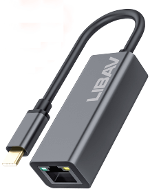
Liberty AV USBC2RJ45USB-C to Gigabit Ethernet Adapter
|
|||
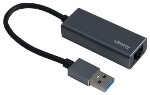
Liberty AV USBA2RJ45USB-A to RJ45 Gigabit Ethernet adaptor
|
|||
Liberty AV DL-4USB-HUBPPowered USB 4 Port USB 3.0 Hub
|
|||
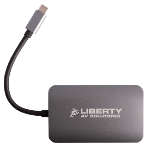
Liberty AV 8N1USB-HUBAdvanced 8-in-1 USB-C Multi-Port Hub
|
|||
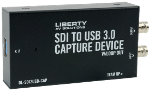
Liberty AV DL-SDI2USB-CAPTeamUp+ Series SDI to USB Capture Device w/Loop Out
|
|||
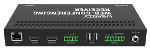
Liberty AV DL-SCU-RXTeamUp+ Series HDBaseT Receiver with USB-Hub and HDMI input
|
|||
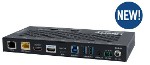
Liberty AV TU-HUC42-TXTeamUp+ Series Dual or Single Screen Collaboration Switcher / Extender / Hub
|
|||
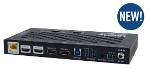
Liberty AV TU-HUC42-RXTeamUp+ Series Dual or Single Screen Collaboration Switcher / Extender / Hub
|
|||
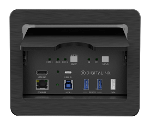
Liberty AV DL-SC31U-BX"TeamUp+" Series Multi-Format Table Box VC Collaboration Switcher
|
|||
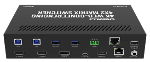
Liberty AV DL-SC41U-TX"TeamUp+" Series Multi-Format VC Collaboration / Presentation Switcher/Extender w/HDBaseT & USB
|
|||
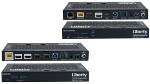
Liberty AV TU-HUC42-KITTeamUp+ Series Dual or Single Screen Collaboration Switcher / Extender / Hub
|
|||
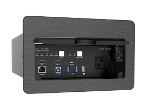
Liberty AV DL-SC41UP-BXTX"TeamUp+" Series Multi-Format Table Box VC Collaboration Switcher / Extender
|
|||
|
| |||
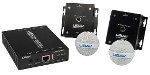
The collaboration technology category encompasses diverse product types united by their purpose of enabling multiple participants to share, view, and interact with content simultaneously. Wireless presentation systems allow meeting participants to share laptop, tablet, and smartphone screens without physical cable connections, eliminating the fumbling with adapters that interrupts meeting flow. Wired collaboration systems provide reliable high-bandwidth connectivity for organizations preferring physical connections.
Products featured in this category include Liberty AV TeamUp and DigitaLinx collaboration solutions, Kramer wireless presentation systems, and various manufacturers' offerings for USB conferencing, room scheduling, and interactive display integration. These systems range from simple BYOD (Bring Your Own Device) screen sharing solutions to comprehensive room systems with auto-switching, extension capabilities, and integration with video conferencing platforms like Zoom, Microsoft Teams, and Cisco Webex.
Modern collaboration technology addresses the hybrid meeting challenge, where in-room and remote participants must interact naturally regardless of location. Solutions include ceiling microphone arrays for voice pickup, PTZ cameras that automatically frame speakers, and software integration that bridges physical and virtual meeting spaces. Whether outfitting a small huddle space or a large boardroom, collaboration technology transforms passive meeting rooms into active environments that enhance productivity and engagement across distributed teams.
Frequently Asked Questions
Q. What is the difference between wired and wireless collaboration systems?
A. Wired systems use physical HDMI or USB connections between participant devices and the room display, offering maximum reliability and bandwidth for high-resolution content. Wireless systems enable screen sharing over WiFi, providing greater convenience and flexibility but potentially limited by network conditions and latency.
Q. How do collaboration systems integrate with video conferencing platforms?
A. Many collaboration systems include USB connectivity to room PCs running Zoom, Teams, or other conferencing software. Some advanced systems integrate directly with cloud platforms, providing native calendar integration, one-touch meeting join, and content sharing capabilities without requiring a separate PC.
Q. What is BYOD and why is it important for collaboration?
A. BYOD (Bring Your Own Device) refers to participants using their personal laptops, tablets, or smartphones to share content. Effective collaboration technology supports BYOD scenarios, allowing any device to easily connect and share without requiring specific software installation or complex configuration steps.
Q. How many participants can typically share content simultaneously?
A. This varies by system. Basic collaboration solutions support one active presenter at a time, while advanced systems allow two to four simultaneous content sources displayed in split-screen arrangements. Multi-view collaboration is particularly valuable for comparative presentations and collaborative working sessions.